
 Zanaflex and Alcohol: Important Safety Risks
https://cdhc.org/wp-content/uploads/2024/07/png/lasix.html
Why Zanaflex and Alcohol Don’t Mix Safely
Zanaflex can already make the body feel slow and heavy, and alcohol pushes that effect further. Together, they can cloud judgment, weaken coordination, and turn a simple evening into a risky one. What feels like harmless relaxation may quickly become a dangerous mix.
Both substances act on the nervous system, so drowsiness, dizziness, and low alertness can grow stronger than expected. Teh result may be poor balance, confusion, or slowed breathing, especially if the dose is high or the person is tired already.
| Risk | What may happen |
| Sedation | Extreme sleepiness and sluggishness |
Even one drink can intensify Zanaflex’s calming effect, making it harder to stay awake or think clearly. That is why combining them is not a simple choice—it can raise the chance of accidents, falls, and other serious problems.
Dangerous Side Effects of Combining Both Substances

Mixing zanaflex with alcohol can turn a simple evening into a risky situation. Both substances slow the central nervous system, and together they can trigger extreme drowsiness, poor coordination, and blurred thinking. A person may feel relaxed at first, but that calm can quickly shift into dizziness, weakness, or trouble staying awake. Even small amounts of alcohol can make zanaflex feel stronger than expected, increasing the chance of falls, accidents, or unsafe decisions.
The danger becomes more serious when breathing and heart rate start to slow. Some people may notice confusion, slurred speech, or feeling unusually faint, while others may simply seem hard to wake. These effects can be especially severe if the person is already tired, dehydrated, or taking other medications that cause sedation. In severe cases, urgent medical care may be neccessary to prevent serious harm.
How Alcohol Intensifies Zanaflex’s Sedative Effects
Alcohol can turn a routine dose of zanaflex into something far heavier. What starts as calm can slide into extreme sleepiness, slowed reactions, and a foggy sense of balance. Because both substances depress the nervous system, their effects can stack quickly, making simple tasks feel difficult and unsafe.
A person may seem relaxed at first, but their focus and coordination often fade fast. Teh drowsiness can deepen into confusion, slurred speech, or trouble staying awake. Even one drink may make the medication feel stronger than expected, especially if taken on an empty stomach or after a long day.
This is not just ordinary tiredness. Breathing may become shallow, blood pressure can drop, and dizziness can lead to falls. Someone might nod off mid-conversation, miss alarms, or become hard to wake. Those signs suggest the body is struggling to handle the combined sedative load.
If these effects appear, stop drinking and seek help right away. Until a doctor gives clear guidance, avoid mixing the two and plan for rest, not driving or demanding chores.
Signs of Over-sedation and Medical Emergency
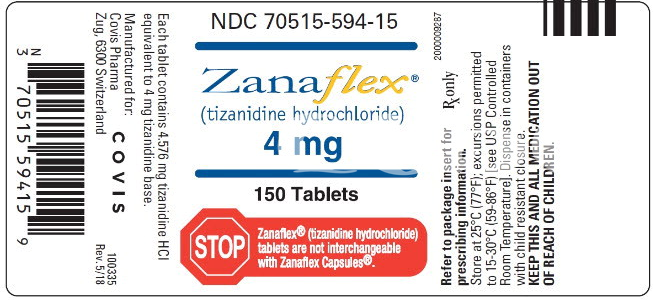
A person may seem drowsy at first, but zanaflex can quickly push that sleepiness into danger. Slurred speech, confusion, and trouble staying awake are warning signs that the body is struggling to cope.
Breathing may become slow or shallow, and balance can fade into stumbling or fainting. If someone cannot be roused easily, the situation is urgent and needs immediate help.
Watch for bluish lips, vomiting, or a sudden drop in awareness. If these appear after zanaflex use, call emergency services right away; waiting can make the risk much worse.
Even if the person wakes up briefly, do not assume they are safe. Keep them on their side, avoid giving more alcohol or medicine, and get medical care quickly.
Safe Timing and Doctor-approved Usage Guidelines
When zanaflex is part of a treatment plan, timing matters. Doctors usually advise taking it exactly as prescribed, often with careful spacing from other medicines and avoiding alcohol altogether. A short conversation with your clinician can clarify when to take it, what to do if a dose is missed, and whether your daily routine needs adjustment.
Never change the dose on your own, even if symptoms seem mild. If you drink regularly, tell your doctor honestly so they can help you plan safer use or suggest an alternative. Good managment reduces drowsiness, dizziness, and preventable accidents, especially during the Begining of treatment.
| Tip | Why it matters |
| Take only as directed | Limits excess sedation |
| Avoid alcohol | Reduces dangerous interactions |
| Ask before combining medicines | Prevents unexpected side effects |
Better Choices for Pain Relief and Relaxation
For safer pain relief, many people do better with options that do not deepen drowsiness or strain the body. A doctor may suggest non-drug strategies such as gentle stretching, heat or cold packs, physical therapy, massage, or guided breathing to calm muscle tightness. When medication is needed, acetaminophen, certain anti-inflammatory drugs, or a carefully chosen muscle relaxant may be appropriate depending on the cause of pain and your medical history. The goal is not only to ease discomfort, but to do so without adding unnecessary risk or making it harder to stay alert during the day.
Relaxation can also come from habits that support recovery rather than mask pain. Regular sleep, hydration, light movement, and limitng alcohol can make a real difference over time. If stress is part of the problem, yoga, mindfulness, or a warm bath may help the body unwind without compounding side effects. Always ask your prescriber before combining therapies, especially if you already take Zanaflex or other sedating medicines. NCBI StatPearls: Tizanidine MedlinePlus: Tizanidine